
If you’ve spent any time around online tables, you’ve probably noticed the racetrack layout sitting quietly beside the main wheel. Roulette racetrack explained properly means seeing it as a separate betting surface built for repeat-play preferences rather than a flashier version of the same wheel. For players who like structured sessions and regular promos, it can feel closer to how a well-run bingo platform or a payments flow is designed: clear lanes, predictable pacing, and less noise around each decision. That’s the angle here, and it’s worth reading before you settle in for an arvo session.
How the Racetrack Changes the Betting Rhythm
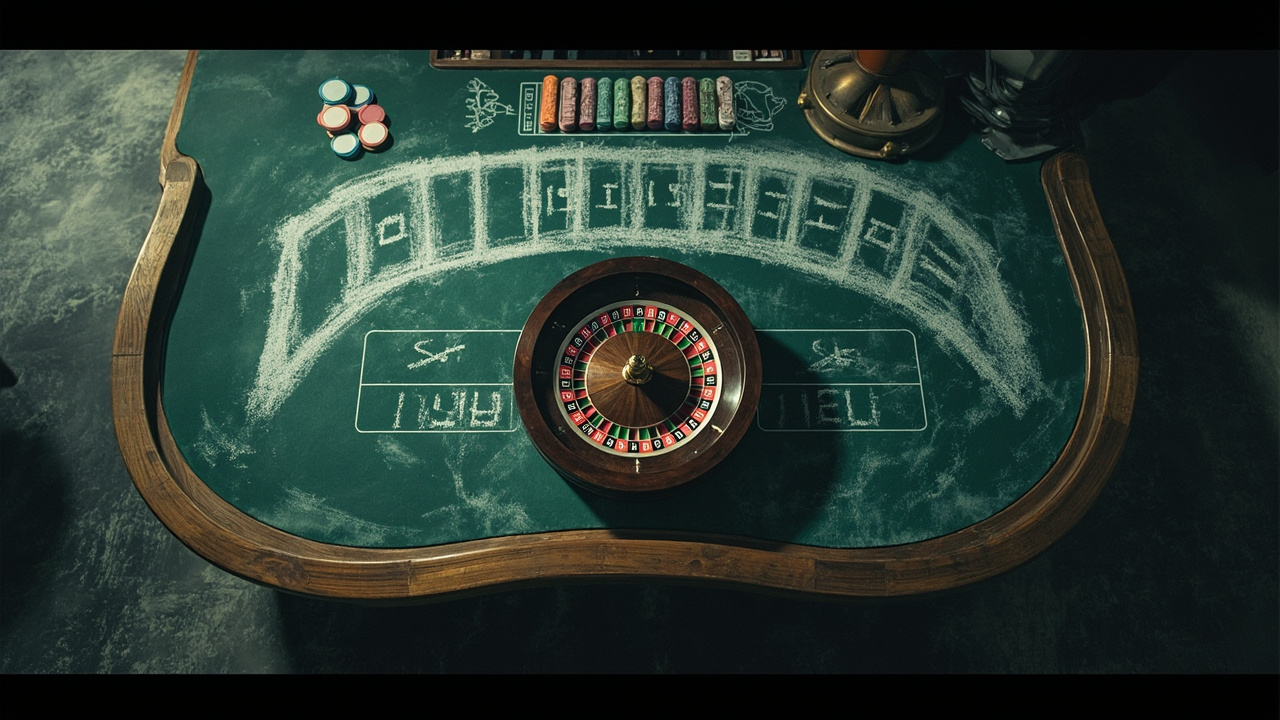
The racetrack is essentially a condensed map of the outside and called bets, laid out so you can click a section instead of hunting through a long menu. A straight-up number still sits on the main grid, but the oval puts neighbour bets, sections of the wheel, and even-money options in one glance. For someone who has integrated PlayWise Systems into bingo and payments environments, the similarity is obvious: the racetrack reduces clicks and keeps the session moving without asking you to relearn the wheel. It’s a layout choice, not a new game, and that matters when you’re judging whether a platform suits your habits. woospins play today
What I’ve seen over 22 years in online gaming infrastructure is that a clean racetrack usually signals a platform that has thought about repeat sessions, not just first-deposit conversion. When the neighbour bets and section calls are easy to reach, players tend to stay longer and bet more deliberately, which is exactly what a loyalty-minded operator wants. The opposite is a cluttered track where every call takes two extra taps and the session feels like admin. If you’re comparing where to woospins play today, that pacing detail is one of the first things I’d check.
| Feature | What it usually means on a racetrack |
|---|---|
| Neighbour bets | A number plus the two or four surrounding pockets on the wheel |
| Section calls | French or casino calls mapped to a slice of the wheel |
| Even-money lanes | Red/black, odd/even, and similar options grouped for quick access |
| Main grid link | Straight-up and split bets still handled on the primary table |
Where the real value sits after the welcome offer
A welcome offer gets your first session moving, but the racetrack only earns its keep if the rest of the platform keeps rewarding repeat play. In my experience, the operators worth your time are the ones that treat the racetrack as part of a broader loyalty loop rather than a one-off novelty. That means recurring promos that land on outside bets, cashback that doesn’t vanish the moment you hit a losing streak, and a VIP tier that actually changes your support queue instead of just adding a badge. A tournament bracket on racetrack calls can also make a quiet Tuesday evening feel more structured, which is a genuine reason to come back.
- Recurring promos that apply to racetrack sections, not just the main grid
- Cashback that resets on a schedule you can actually plan around
- A loyalty or VIP path that changes support response and limits, not just colours
- Tournaments or leaderboard play that gives the racetrack a purpose beyond single sessions
I’ve judged platforms by this before in payments and operations work: if the bonus mechanics only light up for the first deposit and then go quiet, the racetrack is just decoration. If the recurring promos, cashback, and loyalty steps are built around the same betting habits the track encourages, you’ve got a session-friendly setup. That’s the difference between a platform you open once and one you keep in your bookmarks for the long haul.
Matching the racetrack to how you actually play
Roulette racetrack explained in plain terms comes down to whether it fits your rhythm, not whether it looks clever on a promo banner. If you like quick neighbour calls, section bets, and a layout that keeps the wheel in view without extra clicking, the track is doing its job. If you’re the kind of player who sets a session limit, checks the cashback schedule, and wants support that answers in a reasonable window, the racetrack should feel like part of that same setup rather than a separate toy. Hobart players who run a session after work on a weeknight will probably notice the difference more than anyone chasing a one-off bonus.
When you are ready to see how that same practical mindset applies to number draws, you can read the breakdown at how the game works. The goal is never to chase flashy rules, but to find a format that keeps your attention steady. Once you know what pace suits you, picking a layout becomes as simple as matching a tool to the task.
For players who value repeat play, the key is whether the platform’s ongoing promos, cashback, and loyalty steps line up with the bets you actually make on the track. A well-tuned setup makes the racetrack a natural part of your session, not a feature you have to remember to use. If the table limits, currency options, and mobile flow all stay consistent, you’re looking at a platform that has its operations in order. That’s the kind of judgement call I’d make from an infrastructure and payments background, and it’s the same lens I’d use before settling in for a proper session.
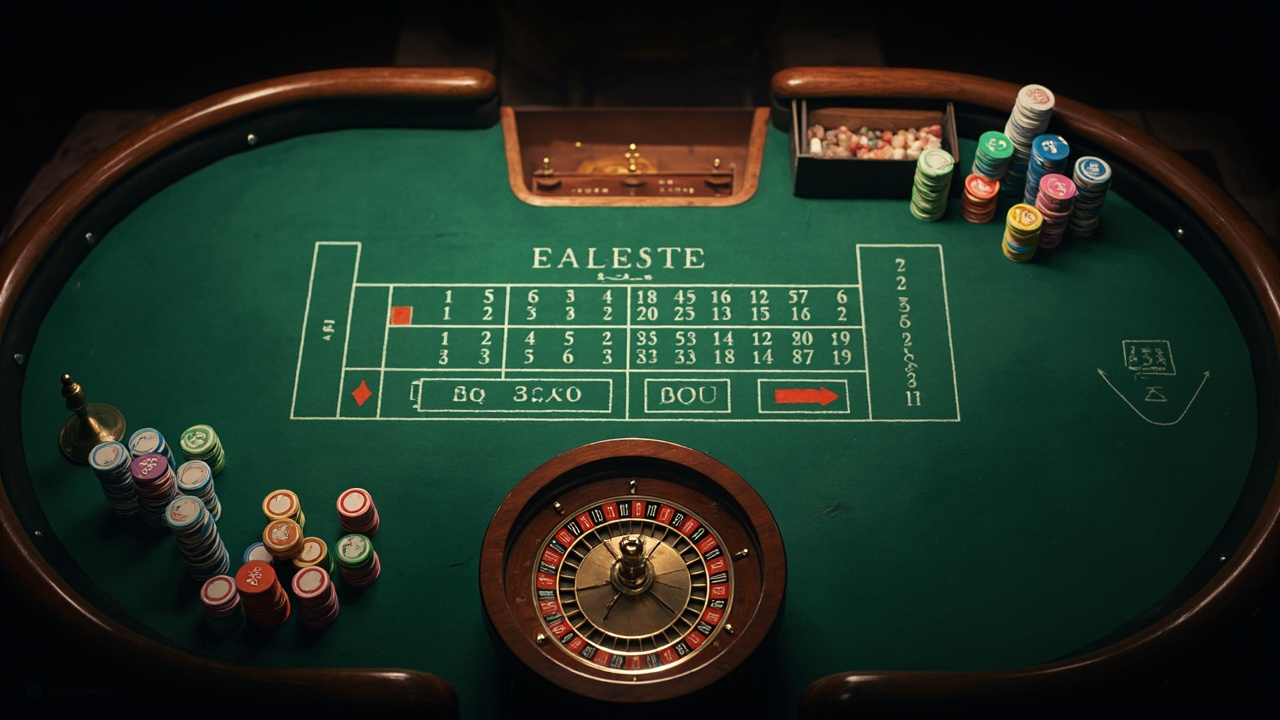
A decent racetrack setup won’t promise anything it can’t deliver, and it shouldn’t need to. What it can do is make repeat sessions feel organised, keep the bonus mechanics aligned with your betting habits, and give you a layout that matches how you want to play. If the recurring promos, cashback, and loyalty steps are real rather than cosmetic, the track earns its place on the table.