
What Is a Seven Out in Craps and How It Shapes the Table Pace
A seven out is the moment that ends a shooter’s turn in craps, and it matters because the table resets, the dice pass, and the betting cycle starts again. For anyone playing online or in a live-room setting, understanding that reset helps you read the rhythm of a session instead of reacting to every roll. The pace changes, the bets stay active or get taken down, and your bankroll management has to adjust to a new shooter coming in.
Understanding the Seven Out in Craps
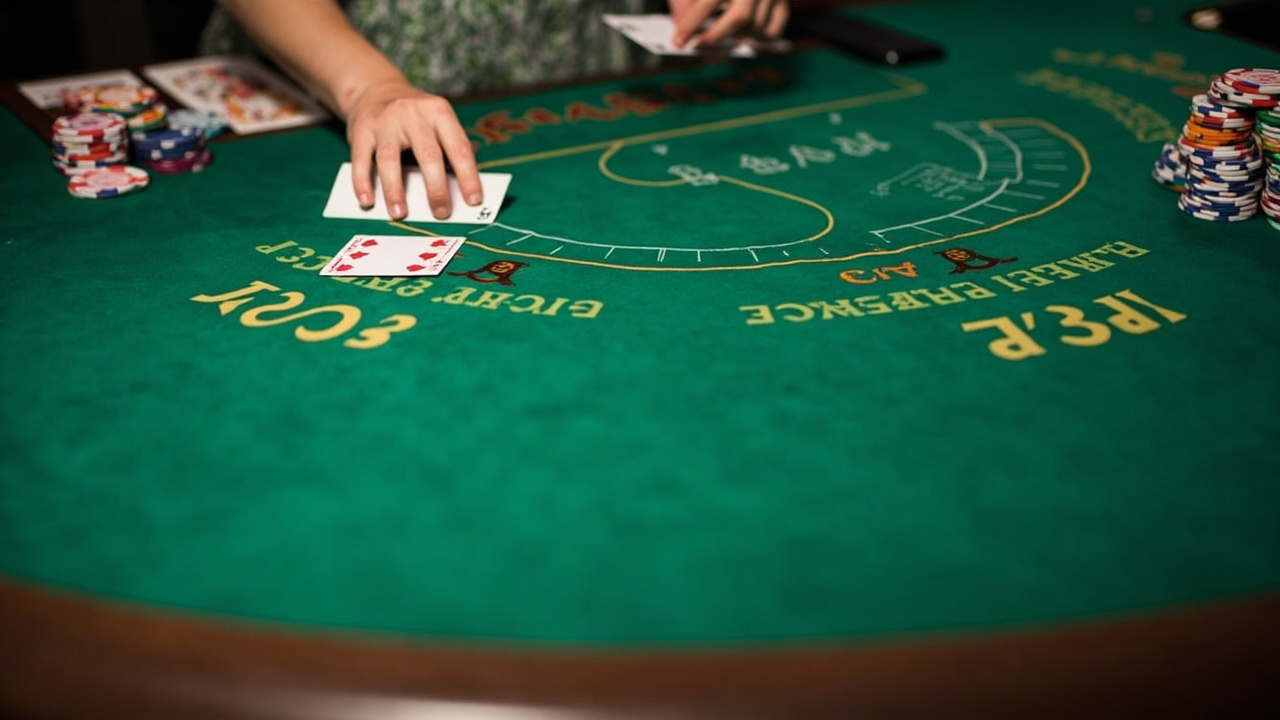
A seven out happens when the shooter rolls a seven after the point has been established, which ends that player’s run at the table. Before the point is set, a seven is a natural win on the come-out; once a point is locked in, the same number becomes the signal that the current shooter is finished. That shift is the whole reason the table keeps moving, because the next player steps up, the point resets, and the round structure begins again.
From a practical angle, the seven out is less about luck in isolation and more about how a table manages transitions. The pass line and don’t pass bets settle, any active come bets remain in play under the current rules, and the dealers clear or leave certain proposition bets depending on house procedure. If you are watching the flow rather than just the dice, you start to notice how often a table turns over, how long a shooter tends to hold the dice, and where your own betting plan fits into that cycle.
I have seen paid search campaigns and on-site content treat this moment as a detail instead of a structural event, which is the same mistake I would never make when building a landing page around a conversion point. A seven out is the conversion point of the round: the table changes state, and your expectations should change with it. That is why clear, plain-language explanations matter more than flashy headings that bury the actual mechanic.
How the Table Behaves After a Seven Out
When a seven out lands, the immediate effect is procedural rather than dramatic. The current shooter hands the dice back, the stickman and dealers reset the layout according to the house’s routine, and a new shooter is invited to take over. The point disappears, so any bets that depended on that point being made or avoided are settled by the rules already in play. Bets that survive the transition keep running, which is why some players treat the seven out as a checkpoint instead of a hard stop.
The table pace usually changes in one of two ways. Sometimes the new shooter comes out quickly and the round feels continuous; other times there is a short pause while the crew realigns the bets and the next player gets comfortable with the dice. In a live setting, that pause can be long enough for you to reassess your stake, your target, and whether you want to stay with the same bet types or shift to a different part of the layout. Online, the same transition is visible in the bet history and the next round setup, which makes it easier to track patterns without leaning on memory alone.
I would treat this like a WordPress publishing workflow where the handoff between drafts matters as much as the content itself. If the transition is messy, readers lose the thread; if it is clean, the next section lands with less friction. Craps works the same way. The seven out is the handoff, and the quality of that handoff affects how readable the session feels, especially for players who are more interested in structure than in chasing a single hot roll.

| Phase | What changes | What stays in play |
|---|---|---|
| Come-out before point | Seven wins naturally | Pass line, don’t pass, some proposition bets |
| Point established | Seven ends the shooter | Come bets, place bets, certain side bets per rules |
| Seven out | Point resets, new shooter steps in | Rules for active bets continue; layout is cleared or adjusted |
A simple way to keep the moment in perspective is to watch for the practical signals instead of reading too much into the number itself.
- The point is already set, so a seven now ends the run.
- The table resets the point and invites a new shooter.
- Active bets are settled or carried forward under the same rules. skycrown australia play
- The pace may shift, which is a good time to review your stake.
Linking the Seven Out to Player Needs
For most players, the useful part of this rule is not the dice sequence alone but the way it shapes decision-making. If you know a seven out will end the current shooter, you can plan around the rhythm of the table instead of treating every roll as an isolated event. That matters for session planning, because the turnover of shooters creates natural moments to check your results, adjust your limits, and decide whether the current pace suits the way you want to play.
It also helps to think about where you are playing and how the environment changes the experience. A well-run online table should make the transition obvious in the interface, with clear round history and visible bet status so you are not guessing what survived the seven out. If you want a cleaner setup for that kind of play, you can skycrown australia play and look at how the table flow is presented before you commit to a stake. The practical point is that the interface should support the rule, not hide it behind noise.
For players comparing options across regions, it is worth remembering that Australian players are not playing under an Australian casino licence in the offshore sense, so the comfort level comes from the operator’s own controls, clarity, and account tools rather than from any local regulatory promise. Regional Queensland players, for example, often play late in the arvo or after work and want a table flow that is easy to follow without having to decode every transition. That is where a straightforward seven-out explanation becomes more useful than a long rules page that buries the actual moment in jargon.
If you are reading offers from elsewhere and want a sense of how to parse promotional language without getting distracted, a short look at how italian casino proposals are read can be a useful comparison for spotting what is actually being presented. The broader lesson is the same: the rule matters, but the way it is explained and supported matters just as much.
A solid session around this rule is less about predicting the dice and more about knowing what happens when the shooter changes. If the table makes the seven out clear, settles bets properly, and keeps the next round easy to read, you have a better chance of playing with a steady plan instead of reacting to every reset. Adboardingpass
When the seven out is presented plainly and the table flow stays readable, it stops being a mystery and becomes one more part of the game you can plan around.